

A Closer Look at Dubai's Real Estate Developers: Giants of Innovation
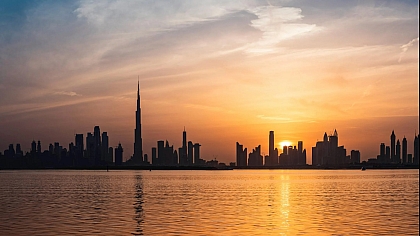
Dubai's skyline is a testament to architectural marvels and visionary real estate developers.
Delve into the major developers and master development groups behind the city's urban transformation. From Emaar Properties and Meraas to newer names such as Binghatti, these companies have helped shape Dubai's landscape through ambitious projects, distinctive architecture, integrated communities, and changing ideas about modern urban living.
1. Emaar Properties: Pioneers of Urban Excellence

Emaar Properties stands as one of the most prominent real estate developers in Dubai and has played a major role in shaping the city's modern identity. Its portfolio includes some of Dubai's best-known destinations, including Downtown Dubai, the Burj Khalifa and Dubai Mall. Emaar's approach combines residential properties with retail, hospitality, leisure and public spaces to create large-scale communities rather than isolated buildings.
2. Meraas: Envisioning Experiential Living

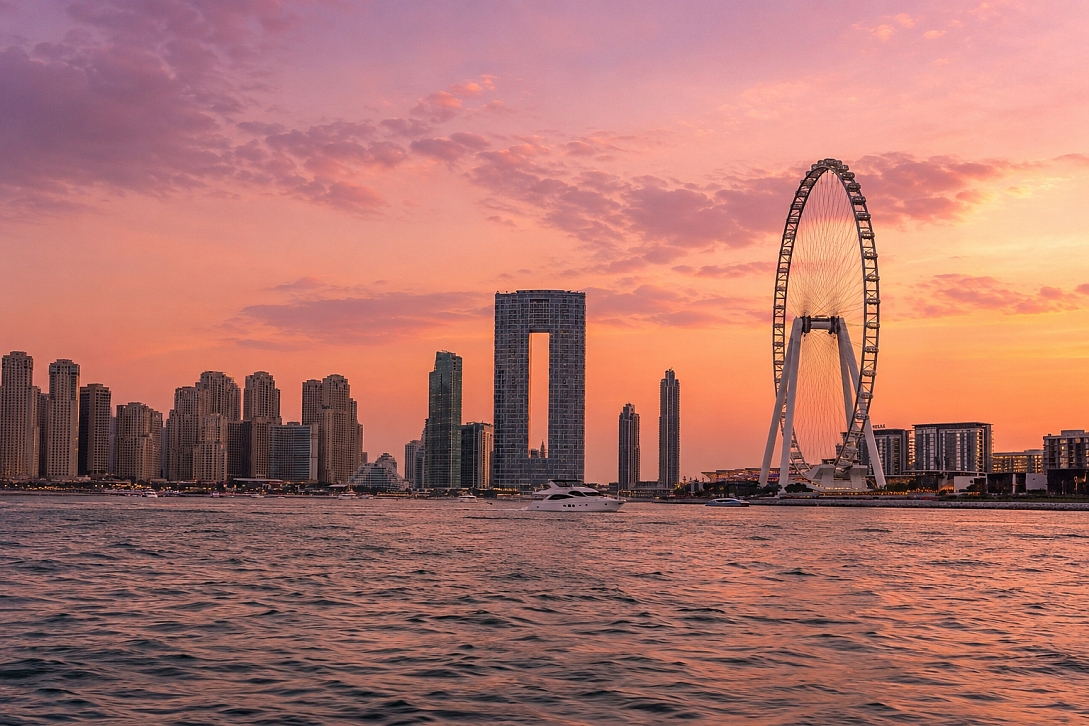
Meraas has become closely associated with lifestyle-focused destinations that combine residential property with retail, entertainment, hospitality and public spaces. Projects such as City Walk and Bluewaters Island demonstrate its emphasis on creating places designed around experiences as well as accommodation. Meraas developments have added a distinctive contemporary character to several of Dubai's most popular urban destinations.
3. Nakheel: Crafting Landmarks and Lifestyles

Nakheel is one of the names most closely associated with Dubai's transformation of its coastline. The Palm Jumeirah remains its most internationally recognised development, while its wider portfolio includes residential communities, retail destinations and hospitality projects. Nakheel's work demonstrates how large-scale master planning can create entirely new environments from previously undeveloped land. Even the company's branding reflects its distinctive approach, with the clever use of Arabic fonts.
4. Dubai Holding: A Major Development Group

Dubai Holding is better viewed as a major investment and development group than simply another individual property developer. Its extensive interests cover real estate, hospitality and other sectors, with development brands and destinations contributing significantly to Dubai's urban landscape. Areas and projects associated with the wider group include Jumeirah Beach Residence and Business Bay, while its broader portfolio reflects Dubai's strategy of combining property, hospitality, retail and leisure into major destinations. This makes Dubai Holding an important part of the story of Dubai real estate rather than simply another residential developer.
5. DAMAC Properties: Luxury Redefined

DAMAC Properties is synonymous with luxury residential and hospitality developments, offering properties positioned at the premium end of the Dubai market. The developer has built a strong identity around branded residences and collaborations with international luxury names, including fashion and lifestyle brands. Its portfolio ranges from high-rise apartments and branded residences to large master-planned communities, giving DAMAC a prominent position in Dubai's luxury property market.
6. Sobha Realty: A Focus on Craftsmanship

Sobha Realty is widely associated with its emphasis on construction quality, detailed finishes, and carefully planned residential environments. Developments such as Sobha Hartland demonstrate the company's focus on combining contemporary architecture with landscaped surroundings and community amenities. Its approach appeals particularly to buyers looking for a combination of design, build quality and a more private residential setting.
7. Dubai South: Building a New Urban District

Dubai South is different from a conventional private residential developer. It is a large-scale master-planned urban district designed around aviation, logistics, business, residential communities and economic activity. Its residential areas are intended to form part of a wider connected district, supported by infrastructure and proximity to Al Maktoum International Airport. For property buyers, Dubai South is therefore best considered as an emerging urban destination and master development rather than simply another standalone developer.
8. Union Properties: Shaping Established Communities

Union Properties has played an important role in the development of established Dubai communities. Its projects include Motor City and Green Community, where residential, commercial and recreational elements are brought together within larger neighbourhoods. With a long history in the Dubai property market, Union Properties represents a different side of the sector from newer off-plan developers, with developments that form part of the city's established residential fabric.
9. Binghatti: A New Generation of Dubai Developers

Binghatti has emerged as one of the most recognisable names in Dubai's contemporary off-plan property market. The developer has built a substantial portfolio across locations including Downtown Dubai, Business Bay, Jumeirah Village Circle, Al Jaddaf, Meydan and Dubai Science Park. Its projects range from more accessible residential developments to high-profile branded residences, including collaborations with Bugatti, Mercedes-Benz and Jacob & Co. This combination of distinctive architecture, aggressive project launches and branded partnerships has helped Binghatti establish a strong presence among Dubai's newer generation of developers.
10. Majid Al Futtaim: Creating Lifestyle Destinations

Majid Al Futtaim has played a major role in creating integrated lifestyle destinations across the region, combining retail, entertainment, hospitality and residential development. In Dubai, destinations such as City Centre Deira and the large-scale Tilal Al Ghaf community demonstrate the company's focus on creating places where shopping, leisure, housing and community amenities work together. Its real estate activities therefore extend beyond individual buildings to broader lifestyle destinations.
11. Dubai Properties: Enriching Dubai's Urban Fabric
Dubai Properties has contributed to the city's growth through a diverse portfolio of residential and mixed-use developments. Its projects have included destinations such as Jumeirah Beach Residence and Dubai Wharf, combining residential accommodation with retail, leisure and commercial facilities. The company's portfolio illustrates the importance of mixed-use planning in creating neighbourhoods that provide more than simply housing.
12. Al-Futtaim Group Real Estate: Creating Urban Icons

Al-Futtaim Group Real Estate is known for developments that integrate shopping, entertainment, hospitality, business and residential uses. Dubai Festival City is one of its best-known Dubai destinations, while Dubai Festival Plaza adds another major retail component to the group's real estate portfolio. These developments demonstrate how large mixed-use destinations can combine everyday amenities with commercial and leisure facilities.
13. Select Group: Elevating Waterfront Living
Select Group specializes in high-end residential and waterfront developments, particularly around Dubai Marina and other prime locations. Projects such as The Residences at Marina Gate and Jumeirah Living Marina Gate demonstrate its emphasis on premium apartments, distinctive architecture and resort-style amenities. These developments have helped strengthen Dubai Marina's reputation as one of the city's most desirable residential destinations and an important part of Dubai's waterfront real estate.
14. Al Habtoor Group: A Legacy of Hospitality and Real Estate

Al Habtoor Group has a long-established presence in Dubai's hospitality and property sectors. Its developments combine residential, hotel and entertainment elements, with Al Habtoor City providing a notable example of this integrated approach. The group's strength lies in bringing together real estate and hospitality to create destinations designed around a complete lifestyle rather than a single property type.
15. Omniyat: Shaping Architectural Landmarks

Omniyat has established a reputation for highly distinctive architectural projects aimed at the luxury end of Dubai's property market. Developments such as The Opus and One at Palm Jumeirah demonstrate the company's preference for bold architecture, premium interiors and carefully curated residential experiences. Rather than focusing solely on volume, Omniyat has built its identity around design-led projects intended to stand out within Dubai's competitive luxury market.
16. Seven Tides: Luxury Hospitality-Integrated Living

Seven Tides specialises in luxury developments that combine residential property with hospitality and resort-style services. Projects such as Anantara Residences and Seven Palm offer residents access to hotel-style amenities alongside private residential accommodation. This hospitality-integrated model has become an important part of Dubai's premium property sector, particularly for buyers seeking a combination of private ownership and resort living.
17. Al Barari: A Distinctive Green Community

Al Barari occupies a distinctive position within Dubai's real estate landscape. Rather than being known primarily for a large collection of high-rise towers, the development is recognised for its landscaped environment, extensive greenery and low-density residential setting. Its villas, apartments and private residences are designed around gardens, waterways and natural surroundings, offering an alternative to the dense urban character found in many parts of Dubai. Al Barari is therefore best viewed as a distinctive master-planned community and development rather than simply another mainstream apartment developer.
18. Deyaar Development: Building Communities Across Dubai

Deyaar Development is another established name in Dubai's property market, with a portfolio spanning residential, commercial and hospitality developments. Its projects have included properties in areas such as Business Bay, Dubai Production City and Dubai Silicon Oasis. The company provides another example of the broad range of developers contributing to Dubai's rapidly expanding residential and commercial landscape.
What Makes Dubai's Developers Different?
Dubai's property market is unusual because its major developers operate across a wide range of models. Some specialise in large master-planned communities, while others focus on luxury towers, waterfront residences, branded properties or mixed-use destinations. This means that choosing a developer is not simply about comparing brand names. Buyers should consider the developer's track record, the location of its projects, construction quality, service charges, payment plans, handover history and the long-term prospects of the surrounding community.
The distinction between a developer, a master developer and a wider development group is also important. A company such as Emaar or DAMAC may be directly associated with individual residential projects, while groups such as Dubai Holding have interests spanning multiple brands and sectors. Master-planned destinations such as Dubai South operate on a much broader urban scale.
Choosing the Right Dubai Property Developer
Dubai offers an enormous choice of new and established developments, so the best developer for one buyer may not be the best choice for another. Investors considering an off-plan property should look beyond glossy brochures and iconic architecture and assess the fundamentals of the project.
Important factors include the developer's delivery record, the location and infrastructure surrounding the development, the property's intended market, expected service charges, payment structure, resale potential and rental demand. It is also worth comparing completed projects with the developer's current pipeline rather than judging a company solely by its newest launch.
For buyers considering an off-plan purchase, understanding the difference between a developer's reputation and the specific qualities of an individual project is particularly important. A highly regarded developer can still have projects that perform differently depending on location, pricing, supply and demand.
Dubai's real estate developers and master development groups have played a central role in transforming the city into one of the world's most recognisable urban destinations. From Emaar's landmark communities and Nakheel's extraordinary coastline projects to the luxury developments of DAMAC and Omniyat and the rapidly expanding portfolio of newer developers such as Binghatti, the market offers a remarkable variety of property styles and investment opportunities.
For prospective buyers, however, the biggest name is not necessarily the best choice. Understanding the developer, the location, the development model and the long-term prospects of the individual property is essential. By looking beyond the marketing and comparing the fundamentals, buyers can make a more informed decision when choosing a Dubai property.
LEAVE A COMMENT
Categories
Recent Posts



0.0369